Polypropylene (PP) plastic granules are one of the most widely used polymer raw materials in the plastics industry. Simple to process, versatile in performance, and cost-effective, PP granules form the backbone of products we see every day. Whether you’re a manufacturer choosing materials for injection molding, or a buyer comparing options from plastic raw material suppliers, understanding PP plastic granules helps you make smarter decisions.
In this guide we’ll break down:
- What PP plastic granules are
- The different grades available
- Typical uses across industries
- Key benefits that make PP so popular
- How to choose the right supplier
Let’s dive in.
What Are PP Plastic Granules?
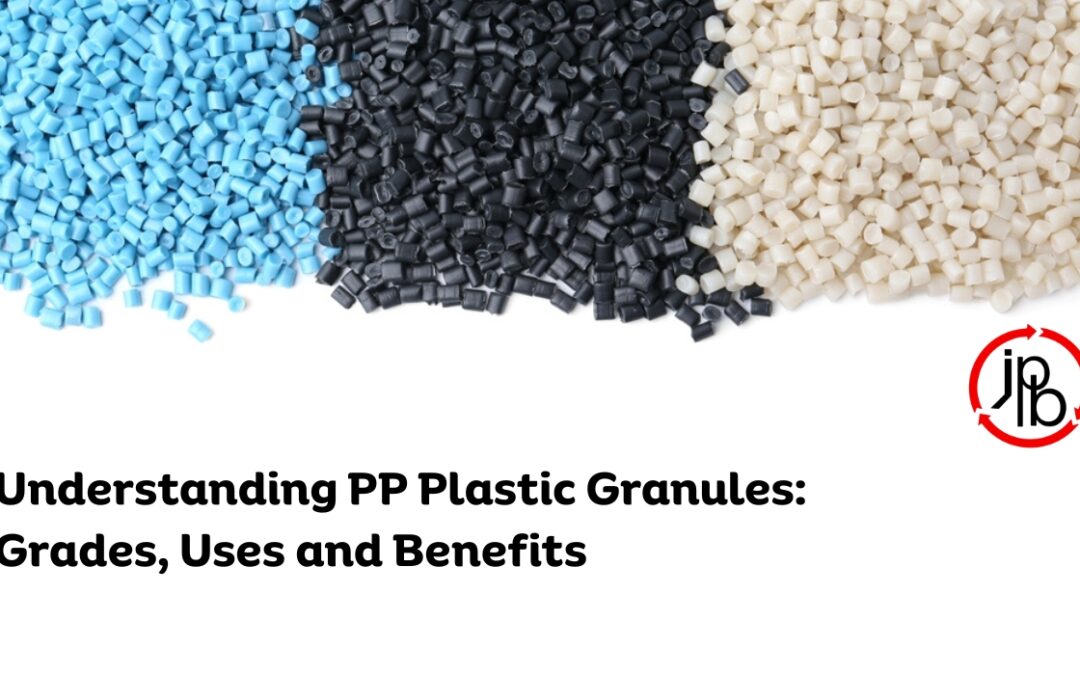
PP stands for polypropylene, a thermoplastic polymer that becomes moldable above a certain temperature and solidifies upon cooling. In its basic form, polypropylene is supplied as small pellet-like granules. These granules are the starting point for making a huge range of plastic products.
Think of PP plastic granules like the raw flour in baking. Just as flour gets transformed into bread, cookies, or cakes, PP granules get transformed into car parts, containers, films, fibers, and more.
When you reach out to plastic raw material suppliers, plastic dana suppliers, or plastic granule suppliers, it’s these PP granules you’re asking about.
Why PP Plastic Granules Matter
Some people overlook the fact that not all plastics are created equal. The chemistry, structure, and grade of a plastic determine how it behaves during processing and in the final product. Choosing the right PP plastic granule grade affects strength, flexibility, finish, and durability.
That’s why buyers work with trusted plastic raw material suppliers who can guide them on grades that best match the end application.
PP Plastic Granule Grades
Polypropylene comes in multiple grades depending on its molecular structure and additives. Each grade has specific properties that suit different manufacturing methods and product needs.
Here are the main categories:
1. Homopolymer PP
This is the most common and widely used grade. Homopolymer PP has a high level of strength and stiffness.
Key traits:
- Excellent mechanical strength
- Good heat resistance
- High rigidity
- Best choice for injection molding
Common applications include:
- Rigid containers
- Automotive components
- Appliance housings
Homopolymer PP is a staple product most plastic granule suppliers carry because of its wide appeal.
- Copolymer PP
Copolymer polypropylene is made by combining propylene with another monomer, usually ethylene. This changes the material’s characteristics.
There are two main sub-types:
- Random Copolymer
- More clarity than homopolymer
- Better low-temperature impact resistance
- Useful for food packaging and medical products
- Block Copolymer
- Even better impact resistance
- Good for thicker or larger parts
- Excellent for products that experience stress or vibration
Manufacturers prefer copolymer PP when toughness is more important than stiffness. Buyers often consult with plastic dana suppliers to decide if copolymer is a better fit than homopolymer.
- Filled & Reinforced Grades
Certain applications demand extra strength or special properties. That’s when filled or reinforced PP granules come into play. These might include:
- Glass fiber reinforcement – for extra strength and heat resistance
- Mineral fillers – to improve stiffness or lower cost
These are not standard off-the-shelf materials. You typically source them through specialized plastic raw material suppliers who understand application demands.
- Specialty Grades
There are also grades enhanced for flame retardancy, UV resistance, anti-static properties, or food-contact compliance. These are formulated with additives during polymer production.
For example:
- UV-stable PP for outdoor use
- Food-grade PP for packaging
- Flame-retardant PP for electrical housings
Working with experienced plastic granule suppliers ensures you get the correct grade for regulatory and performance requirements.
How PP Plastic Granules Are Made
Understanding the production process helps explain why PP plastic granules behave the way they do.
Here’s a simplified overview:
- Polymerization – Propylene monomers are chemically bonded into long polymer chains. Catalysts control the molecular structure.
- Pelletizing – The molten polymer is extruded and cut into uniform granules.
- Additive Blending – If required, stabilizers, fillers, colors, or specialty additives are mixed in for performance enhancements.
- Packaging & Distribution – Granules are packed in bags or bulk containers and distributed by plastic raw material suppliers.
The quality of each step influences the consistency of the granules. That’s why top-tier plastic dana suppliers invest in quality control to deliver material free of contamination, consistent in melt flow, and predictable in processing.
Physical Properties of PP Plastic Granules
Here’s what makes polypropylene so useful:
- Low density – Lightweight products
- Good chemical resistance – Handles acids, bases, and solvents
- High fatigue resistance – Great for hinges and repetitive use parts
- Moisture resistance – Ideal for containers and packaging
- Weldability and recyclability – Easy to reprocess
These basic traits make PP a strong choice for a wide range of industries. And unlike some plastics, even recycled PP has significant value when sourced from responsible plastic granule suppliers.
How PP Granules Are Used
Now let’s look at what actually gets made from polypropylene granules. PP’s versatility shows up across manufacturing processes:
Injection Molding
This is one of the most common uses. PP granules are melted and injected into molds to make precise parts.
Products made this way include:
- Automotive clips and fittings
- Caps and closures
- Consumer goods
- Medical device housings
Manufacturers buying from plastic granule suppliers target specific melt flow rates depending on the complexity of their parts.
Blow Molding
In blow molding, PP is formed into hollow parts like bottles and containers.
Examples:
- Jars and pots
- Liquid containers
- Industrial drums
PP’s low density and balanced properties make it ideal for cost-efficient molded products.
Extrusion & Film Applications
PP can be extruded into film or sheet, used for:
- Packaging films
- Labels
- Textiles (as spunbond or meltblown fabrics)
- Tapes and strapping
When spec sheets list tensile strength or elongation, you’re seeing how the PP grade performs in applications that stretch or flex.
Fibers and Nonwovens
PP granules serve as the base for fibers used in:
- Carpets
- Geotextiles
- Medical masks and protective clothing
Nonwoven PP became especially familiar during the pandemic due to its role in mask production.
Benefits of PP Plastic Granules
Here’s what really sets polypropylene apart:
1. Cost-Effective Material
PP gives a strong balance of performance and price. That’s why manufacturers prefer it when durability and budget both matter.
Plastic raw material suppliers often highlight PP for its excellent cost-to-performance ratio.
- Chemical and Moisture Resistance
PP doesn’t absorb water and resists many chemicals. If your product is going to live in a harsh environment, PP is a logical choice.
That’s something buyers discuss early on with plastic dana suppliers, especially for industrial or chemical packaging.
- Durability and Fatigue Resistance
PP’s ability to bend and flex without breaking makes it great for living hinges features that open and close thousands of times without failing.
- Recyclability
PP is recyclable, and demand for recycled polymer is rising. Many plastic granule suppliers now offer post-industrial or post-consumer recycled PP.
Using recycled PP not only lowers material cost but also supports sustainability goals.
- Wide Processing Window
PP can be molded, extruded, or blown with predictable results. That flexibility simplifies production planning.
Material suppliers will often provide processing advice tailored to the grade you select.
What to Look for in PP Material
Here’s where experience matters.
When comparing PP options from different plastic raw material suppliers, check these:
Melt Flow Rate (MFR)
MFR measures how easily the polymer flows when melted. A higher MFR means easier flow for thin walled parts, while a lower MFR indicates more strength for structural applications. Depending on your manufacturing process, the right MFR makes all the difference.
Additives and Stabilizers
Performance-enhancing additives can improve UV resistance, reduce static build-up, or increase flame resistance. Good plastic dana suppliers will advise you on which additives match your application.
Compliance and Certifications
For food contact, medical use, or regulated industries, you need PP that meets safety standards. Always ask suppliers for certificates and test data.
Consistency and Quality Control
Batch-to-batch consistency is vital. If your process depends on repeating the same settings over time, inconsistent granules cause scrap and downtime.
Reliable plastic granule suppliers back their grades with test reports and quality checks.
Choosing the Right Supplier
Let’s be clear not all suppliers are equal. When choosing among plastic raw material suppliers, plastic dana suppliers, or plastic granule suppliers, focus on these:
1. Material Knowledge
They should understand not just the polymer, but your application.
A supplier who treats you like a number won’t help you optimize costs, performance, or processing.
- Technical Support
You want someone who can discuss MFR, additives, processing advice, and cost trade-offs.
Technical support isn’t a bonus it’s part of getting good material every time.
- Reliability
On-time delivery, consistent packaging, and transparent quality data matter just as much as price.
Manufacturing stops when material doesn’t arrive that costs far more than the raw material itself.
- Sustainable Options
Recycled PP is becoming mainstream. Suppliers who can provide both virgin and recycled options give you flexibility.
Many buyers now factor sustainability into material selection.
Real-World Examples of PP in Use
To ground this in reality, here’s how PP plays out across industries:
Consumer Goods
Everything from storage containers to children’s toys uses PP. Its strength and safety make it a go-to choice.
Automotive
Under-the-hood components, interior trims, and clips all benefit from PP’s toughness and heat resistance.
Packaging
Caps, closures, and films rely on PP. Its moisture resistance keeps products safe.
Healthcare
Sterile trays, medical housings, and disposable items often use medical-grade PP.
Textiles and Nonwovens
From carpet fibers to protective masks, PP’s versatility shows up in products we use daily.
These examples illustrate why plastic granule suppliers consider PP a core product.
Final Thoughts
Here’s the thing: Choosing the right polypropylene plastic granule isn’t just about price. It’s about matching material properties to what you’re making, how you’re making it, and where the product will be used.
Working with experienced plastic raw material suppliers, plastic dana suppliers, and plastic granule suppliers helps you:
- Select the right grade
- Get consistent material quality
- Optimize processing parameters
- Control costs without sacrificing performance
PP plastic granules are simple in form but powerful in application. By understanding grades, benefits, and use cases, you position your manufacturing to perform better and deliver stronger products.
If you have questions about specific applications or need help sourcing the right PP grade, feel free to reach out. Good material decisions make good products.