
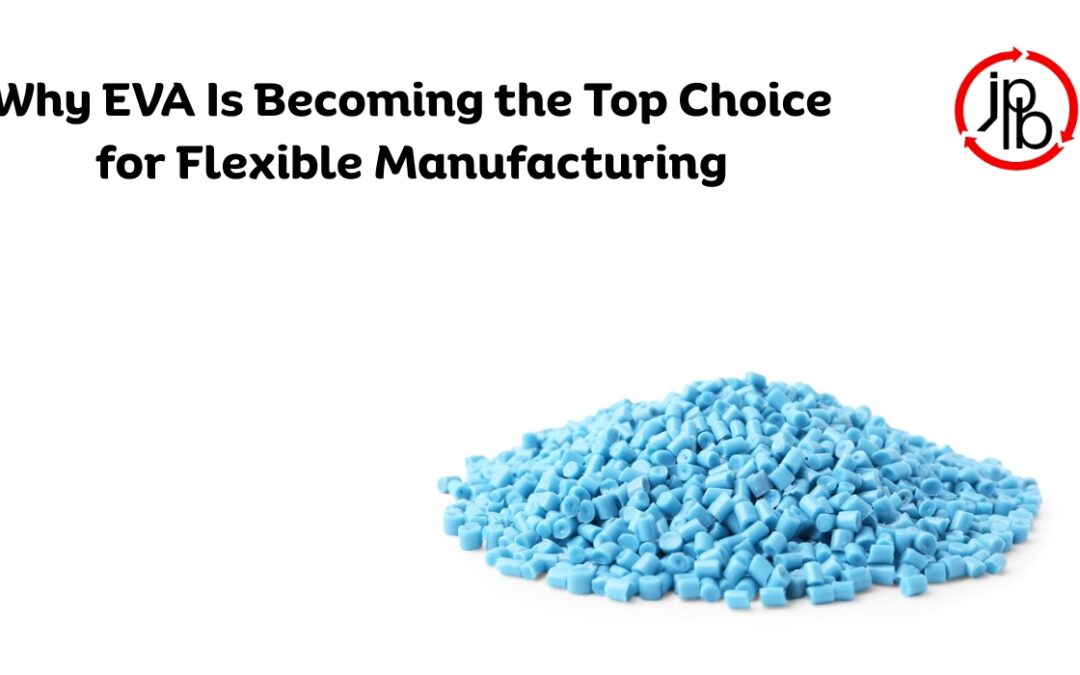
Here’s the thing: manufacturers who need flexibility, cushioning, weather resistance, and consistent processing are switching to EVA fast – and for good reasons. Ethylene-vinyl acetate (EVA) has quietly moved from niche uses to a central role in flexible manufacturing across footwear, packaging, automotive trims, sports goods, and medical products. If you’re sourcing feedstock or rethinking material choices for production lines, understanding why EVA is winning matters. This article breaks down the technical edge EVA offers, the practical benefits on the shop floor, supply and sourcing considerations, and how working closely with reliable plastic raw material suppliers, plastic dana suppliers, and plastic granule suppliers can make adoption smooth and cost-effective.
What is EVA – and why does it behave differently?
EVA is a copolymer of ethylene and vinyl acetate. That mix gives it a molecular structure that combines soft, rubber-like elasticity with the processing advantages of thermoplastics. In plain terms: EVA can be melted and reshaped like a plastic, yet it keeps the spring, shock absorption, and pliability of rubber.
That dual nature matters for flexible manufacturing because it lets designers and production engineers push boundaries. You can foam EVA, extrude it, injection mold it, or produce thin films — all while keeping consistent mechanical properties. That translates directly into fewer material compromises, simpler tooling, and, often, shorter product development cycles.
Practical benefits on the production floor
Let’s break down the top production-level advantages EVA brings to manufacturers.
1. Excellent processability
EVA melts cleanly and flows well under standard thermoplastic processing conditions. That means stable extrusion and injection molding — fewer rejected parts, less scrap, and predictable cycle times. For manufacturers shifting from more brittle plastics or harder rubbers, EVA often integrates without massive retooling.
2. Cushioning and energy return
EVA’s cellular (foamed) grades are prized for cushioning. In footwear midsoles, playground tiles, and protective packaging, the material offers a soft feel plus reliable energy return. That’s why sports equipment and footwear brands lean on EVA to hit comfort and performance targets.
3. Temperature and weather resistance
Compared with some alternatives, EVA resists UV degradation and maintains flexibility across a wide temperature range. For outdoor or semi-outdoor applications – think trims, gaskets, and consumer goods – that resilience reduces warranty issues and increases perceived product quality.
4. Bonding and lamination
EVA adheres well to many substrates and works neatly in lamination processes. That’s a big advantage for composite products where backers, films, foams, and fabric layers need to be bonded without using heavy adhesives or complicated conversions.
5. Lightweight when foamed
Foamed EVA offers significant weight savings with retained mechanical performance. For automotive interiors and portable consumer goods, that lowers shipping costs and often improves product ergonomics without sacrificing durability.
Applications where EVA is dominating
EVA is not a one-trick pony. Here are the sectors where it’s proving especially useful:
- Footwear: midsoles, insoles, and outsoles for casual and performance footwear.
- Packaging: protective inserts, custom foam supports for electronics, and soft packaging where impact resistance counts.
- Automotive: soft-touch trims, seals, and under-seat padding.
- Sports and leisure: yoga mats, protective pads, and helmets (as a cushioning layer).
- Medical devices: soft cushioning and packaging that meet hygiene and comfort needs.
- Consumer goods: soft handles, cosmetic packaging inserts, and laminated labels.
Across these uses, supply consistency is vital. That’s why many manufacturers work closely with plastic raw material suppliers, plastic dana suppliers, and plastic granule suppliers to secure the exact EVA grades they need.
EVA vs alternatives: where it outperforms
People often compare EVA with PVC, PE, and various rubbers. Here’s a concise comparison:
- PVC: EVA is softer and more flexible at low temperatures, and it lacks the plasticizers PVC needs. That means fewer long-term leaching issues and a cleaner feel for consumer goods.
- PE (Polyethylene): PE is great for toughness and chemical resistance but lacks the rubbery resilience of EVA. When cushioning and rebound are needed, EVA often wins.
- Rubber (natural or synthetic): Rubber offers elasticity but is harder to process thermoplastically. EVA gives you rubber-like properties with the ease of thermoplastic processing.
- TPE (Thermoplastic elastomers): TPEs share many benefits with EVA. The decision often comes down to specific mechanical properties, cost, and supply – and EVA frequently wins where foaming and shock absorption are key.
Cost and total value
Upfront material cost is only part of the story. EVA often generates savings in areas that matter in production:
- Lower scrap rates due to predictable processing
- Simplified tooling and fewer secondary operations (thanks to good adhesion and clean molding)
- Lighter finished parts lowering logistics expenses
- Reduced warranty and returns because of better durability in target applications
Put together, these reduce total cost of ownership and make EVA a smart choice for companies focused on both performance and margins.
Sourcing EVA: what to look for from suppliers
Finding the right plastic raw material suppliers, plastic dana suppliers, and plastic granule suppliers changes everything. Not all EVA is created equal; additives, VA content (the proportion of vinyl acetate), and manufacturing controls produce grades with different softness, melt flow, and foaming behavior.
Here’s what to check when choosing suppliers:
- Grade variety and technical support
You want suppliers who offer a range of EVA grades (from low VA content for tougher parts to high VA for softness), plus technical guidance on compounding, foaming, and processing. - Consistent quality and certification
Look for suppliers with clear quality controls and certifications relevant to your industry, food contact, medical, or automotive standards as needed. - Reliable logistics and inventory
Manufacturing runs suffer when suppliers are unpredictable. Reliable plastic dana suppliers and plastic granule suppliers should provide steady lead times and options for inventory management. - Custom compounding capability
If your product needs specific performance tweaks, flame retardancy, anti-static behavior, or custom colorants – pick partners who can compound to order. - Transparency on additives and recyclability
Environmental regulations and customer expectations are shifting. Suppliers who disclose additives and support recycling streams help you keep compliance, and brand reputation on track.
The role of plastic dana suppliers and granule suppliers
Supply chain clarity matters. “Plastic dana” is the term many Indian manufacturers use to describe the raw polymer in granular form. Whether you source EVA as pelletized resin from plastic granule suppliers or in bulk from plastic dana suppliers, the key is grade traceability.
- Batch traceability: If an issue surfaces in production, you need to trace it back to a specific batch. Good suppliers provide batch IDs and consistent certificates of analysis
- Flexibility in order size: Small and medium manufacturers benefit when suppliers offer both jumbo bags and smaller packaging without punishing minimum order quantities
- Local warehousing: Having plastic raw material suppliers with regional warehouses reduces lead time and buffer stock needs
Choosing the right suppliers reduces production risk and improves your ability to iterate on product design quickly.
Processing tips for manufacturers new to EVA
If your plant is switching to EVA, here are practical pointers:
- Melt temperature control: EVA is forgiving but benefits from stable melt temperatures. Erratic heating can cause degradation and odour issues. Use accurate thermocouples and keep the hopper cool to avoid thermal stress
- Drying requirements: EVA typically needs less drying than nylons or some engineering plastics, but composite processes (with fillers or hygroscopic layers) may require standard drying protocols
- Foaming additives: If you’re creating EVA foam, test nucleating agents and blowing agents carefully. Small changes dramatically affect cell size and cushion properties
- Tooling: EVA’s flow characteristics often allow simpler tool designs, but gating and venting should still be optimized for consistent fill and to avoid trapped gases
- Post-processing: EVA bonds well under heat and pressure. Consider heat sealing or ultrasonic welding for assembling multilayer components
These steps reduce trial-and-error and speed up first-pass yield.
EVA and sustainability: a realistic take
Sustainability questions come up a lot. EVA is a thermoplastic, which means it can be reprocessed. It also has energy-saving advantages: lighter components reduce transport emissions, and the long product life reduces replacement cycles.
But there are trade-offs. EVA with certain additives can complicate recycling streams. The best path is to work with plastic raw material suppliers and plastic granule suppliers who can:
- Provide recycled-content grades
- Offer take-back or closed-loop programs
- Share clear guidance on recyclability and recommended disposal streams
Transparent supply partnerships let manufacturers design products that meet both performance and environmental goals.
Case examples: how EVA changed the game
Short stories help. Two common examples show how EVA delivers value:
- A mid-sized footwear brand switched to a foamed EVA midsole and cut weight by 20% while improving comfort. The result: better customer reviews and fewer returns for blisters.
- An electronics accessories maker adopted EVA inserts for packaging. The inserts were lighter and cut shipping damage claims by 30%. Because the company sourced EVA consistently from dependable plastic dana suppliers, they standardized packaging across multiple SKUs with minimal redesign.
These aren’t exotic wins – they’re practical, measurable improvements that stack up across product lines.
Buying strategy: how to work with suppliers
When you’re ready to scale EVA in your products, adopt a buying strategy that balances price with predictability.
- Qualify multiple suppliers: Don’t rely on a single source. Vet several plastic granule suppliers and plastic raw material suppliers for grades, lead time, and technical backing
- Negotiate quality-based contracts: Price matters, but include clauses for batch quality, rejection rates, and remediation timelines
- Pilot runs with technical support: Arrange pilot runs where suppliers provide on-site or remote processing support. That accelerates troubleshooting and shortens ramp-up time
A pragmatic procurement plan turns EVA from an experimental material into a reliable production standard.
Common pitfalls and how to avoid them
No material is perfect. Manufacturers often stumble because they:
- Buy the wrong grade for the application (too soft or too hard). Solution: request small trial quantities and run mechanical tests
- Underestimate compounding needs. Solution: work with suppliers who can compound to spec
- Ignore storage and handling differences. Solution: follow supplier recommendations for humidity, temperature, and contamination control
Avoiding these mistakes saves time and money.
Final thoughts:- why EVA matters now
What this really means is that EVA isn’t just another polymer. Its combination of thermoplastic processability, rubber-like performance, and foaming versatility makes it an ideal fit for modern flexible manufacturing. Whether you’re in footwear, packaging, automotive components, or consumer goods, EVA can reduce costs, improve product comfort or safety, and speed up production cycles.
But the performance you get depends on the partners you choose. Working with experienced plastic raw material suppliers, plastic dana suppliers, and plastic granule suppliers ensures you get the right grade, consistent deliveries, and the technical support to scale. For manufacturers in India and beyond, that partnership is often the difference between a successful material switch and a stalled launch.
If your team is exploring EVA, start small: order trial quantities, map out processing parameters, and involve your plastic granule suppliers in pilot runs. Test mechanicals, ageing, and finished-part feel. Then scale with confidence.
JainPlastBhandar helps manufacturers navigate these steps – from selecting the right EVA grade to securing steady supply through trusted plastic raw material suppliers and plastic dana suppliers. If you want practical advice on grades, processing tips for foam or injection molding, or help building a sourcing plan, reach out and we’ll walk through it with real-world production experience.